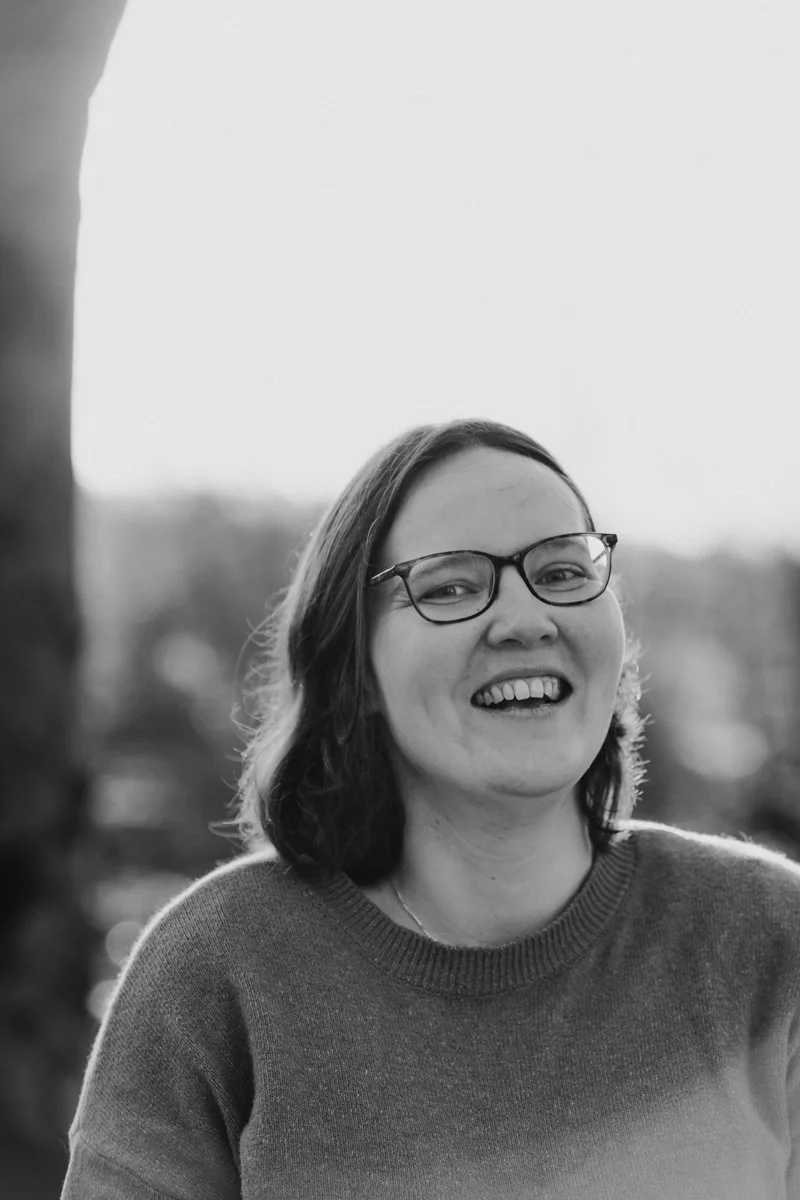
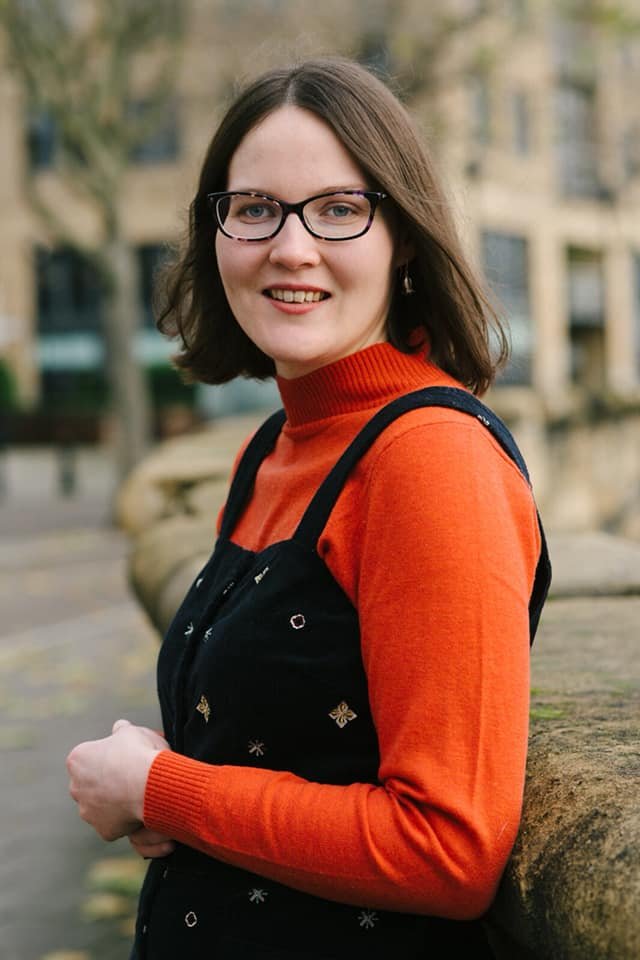
ABOUT ME
I am a youth worker, speaker, neurodiversity specialist and author based in Northeast England.
I provide online youth work and wellbeing sessions for home educated young people, speaking and workshops on neurodiversity and inclusion for workplaces and inclusion training for teachers and youth workers. I also offer writing and communications services.
I have an MA Youth and Community Work (JNC), MA Magazine Journalism, BA History and Politics, and Level 3 Supporting Teaching and Learning.
Throughout my career I have worked with different communities, learned about challenges people face and reflected on my own. This eventually led to writing and publishing my debut book “Neurodiversity in the Workplace: How to create a safe and supportive environment” which is an achievement I continue to be deeply proud of. It explores systemic inclusion and universal design to create psychologically safe and inclusive workplaces. To do this I share lived experience, and research about ways to cultivate community and make the workplace a positive place to be and most importantly be yourself in.
The book grew out of my own experiences as a neurodivergent person at work, and passion for change. From a young age, I have always felt different and that I didn’t quite fit in. I always longed for a sense of belonging, to be included and valued. I was diagnosed with dyspraxia at the age of seven, and since my teenage years have experienced periods of anxiety and poor mental health. It wasn’t until my 30’s when I was diagnosed with ADHD and started putting pieces of my previously unsolvable puzzle together.
I wrote 'neurodiversity in the workplace' because I want organisations to consider what inclusion really means in policy and practice, and to share my dream for a better, fairer and more just world for neurodivergent folk. I believe that if we work together, we can achieve that dream.
Shortly after my book was released, I was made redundant from my job as a Communications Officer and then after successfully getting a new job after a year of unemployment, I went through redundancy again, for the second time in two years. I began to understand why the book, and more research and understanding on inclusion in the workplace and during recruitment is very much needed. Redundancy, especially related to neurodivergent people’s challenges isn’t often spoken about. I was suddenly thrown into a world of endless applications, and interviews. Tasks that weren’t written or communicated well, and ambiguous expectations of job adverts. I came face to face with practices that were not built to include me. Organisations queried the need for reasonable adjustments and face to face interviews were in busy, noisy environments that were not neurodivergent friendly. As disheartening and exhausting the process felt, I considered how it must be for others, those who don’t have the language to describe inclusion, people who remain undiagnosed due long waiting lists and others who need different methods to communicate. It is for these people that I continue to speak and write about the injustices many neurodivergent people face when going through redundancy, job hunting or finding a community where they can belong.
After considering my career direction, and recognising that going back to a formal workplace would be too difficult to me, I realised that there are other ways I can contribute my skills, knowledge and experience. I then I set up ConnectEd Youth and NeuroInclusion in Bloom, to provide youth work for the home educated community, and also offer speaking and training for workplaces. My talks have ranged from private to public sector organisations, including an energy company, NHS Trusts, charities and local authorities.
I regularly share my experiences of ADHD, dyspraxia and neurodivergence in the media and have appeared on national radio, live panel discussions, podcasts, written articles and been interviewed for magazine features.
My ultimate aim is facilitating conversations to empower, educate and support change, that centre equity, inclusion and belonging in the workplace, education and across communities.
You can check out more of my writing on my Substack.
And please consider buying my book about neurodivergent inclusion at work.
Finally, don’t forget to say hello and connect BlueSky, Facebook, Instagram or LinkedIn.